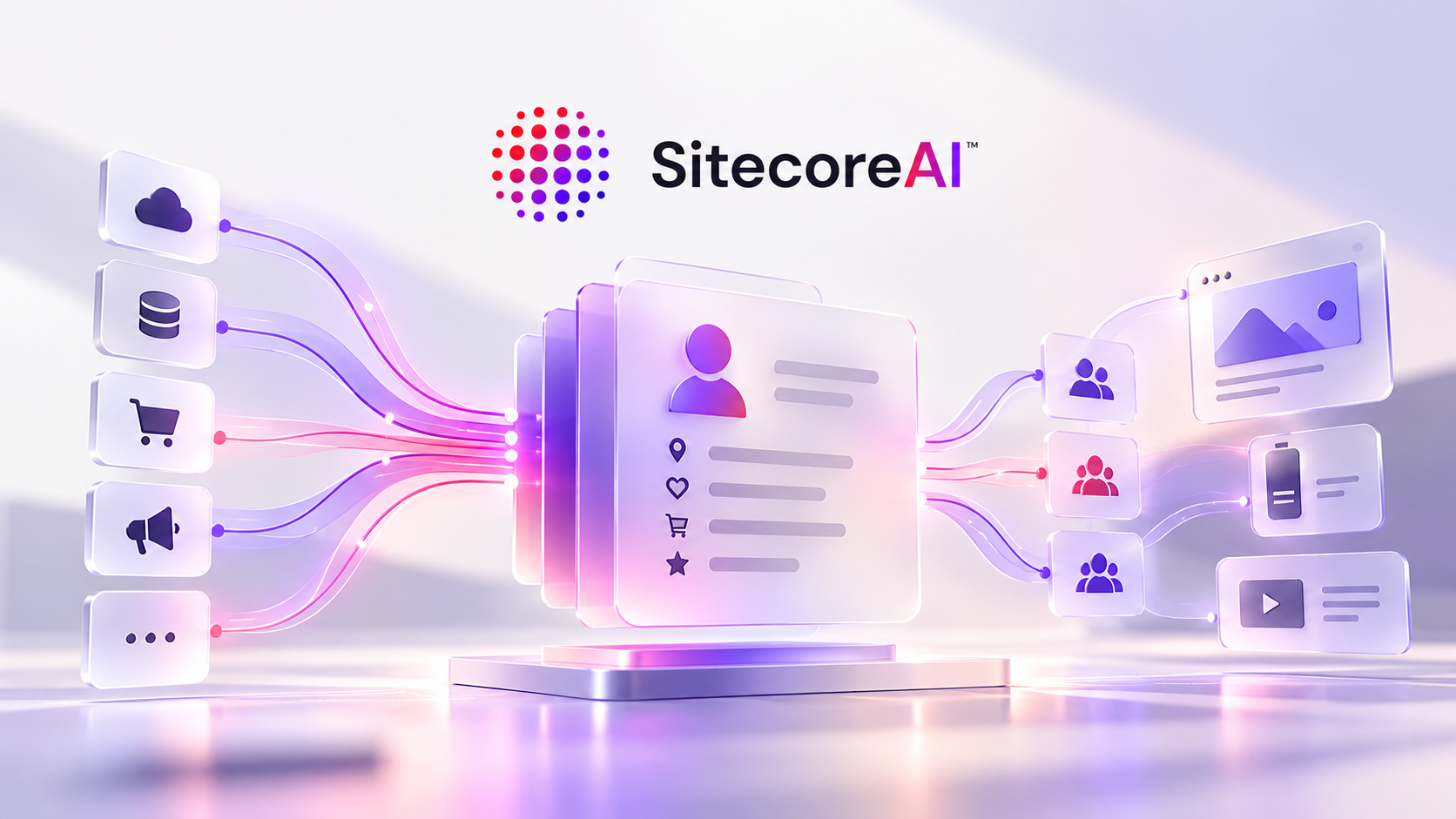
SitecoreAI's October releases add published profile schema extensions, bulk deletion through the Profile Import API, AI-generated audience rules and a Personalization insights dashboard. Together they give the customer profile most of the mechanics of a data contract, and the governance of that contract stays with you.
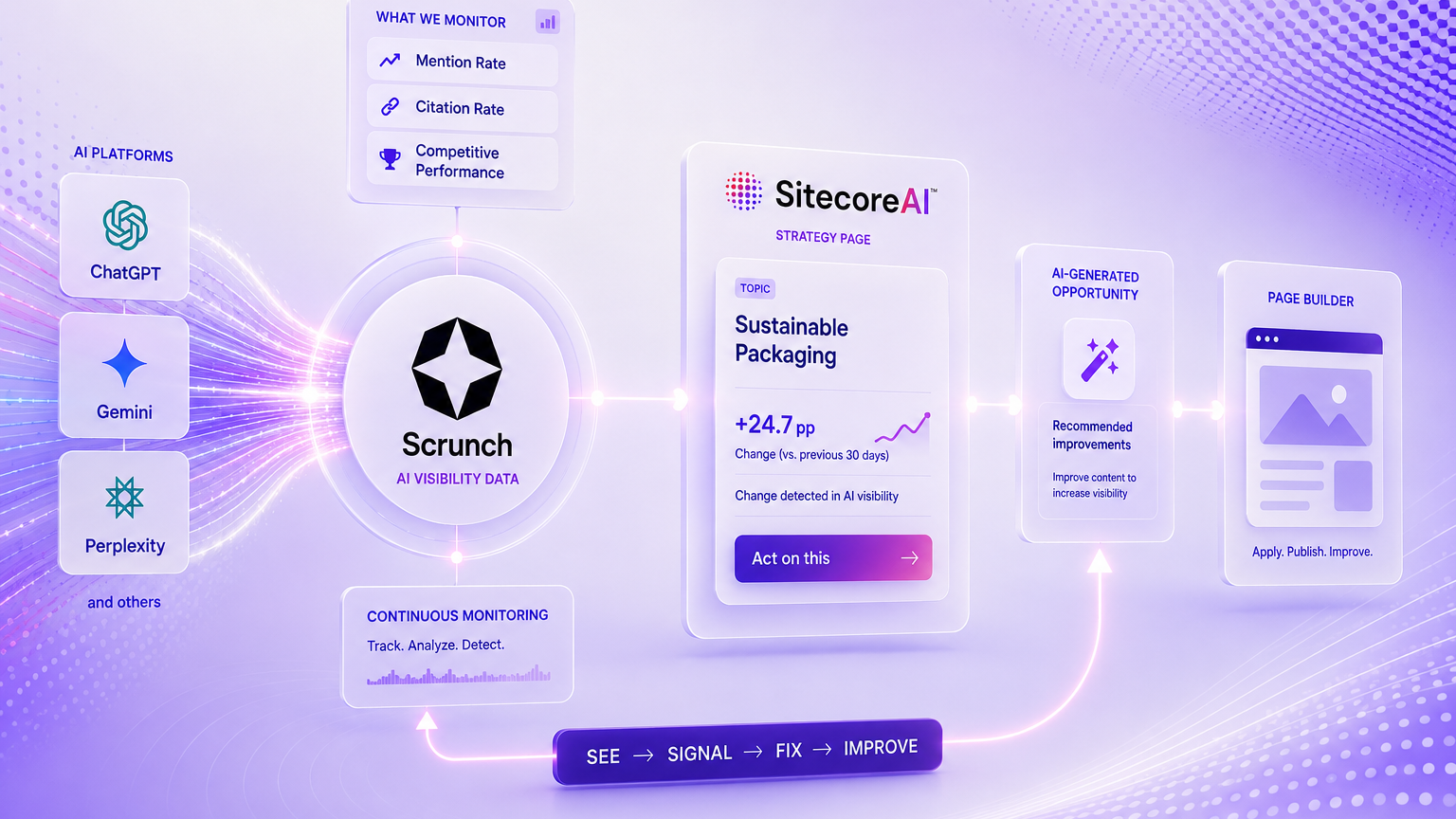
Since 2 October, SitecoreAI agents can ground on Scrunch's AI visibility measurements through a read-only AI Discovery folder in brand context. That moves part of brand context ownership into the Scrunch configuration, and makes one prompt set both the target and the scoreboard.
SitecoreAI’s new Components, Content Types and Content Items APIs make the definition layer a first-class automation surface. This article looks beyond the REST endpoints at what changes for AI agents and enterprise governance—from AI-generated component models and validation workflows to destructive PUT semantics and the risk of schema drift.
SitecoreAI Signals, powered by Scrunch and in early access, monitors how ChatGPT, Gemini, and Perplexity cite and mention your brand, then turns a meaningful shift into a page-level recommendation you apply in the Page builder. It is the measurement half of AI visibility, finally shipped, and it closes the serve-see-fix loop inside one vendor stack.
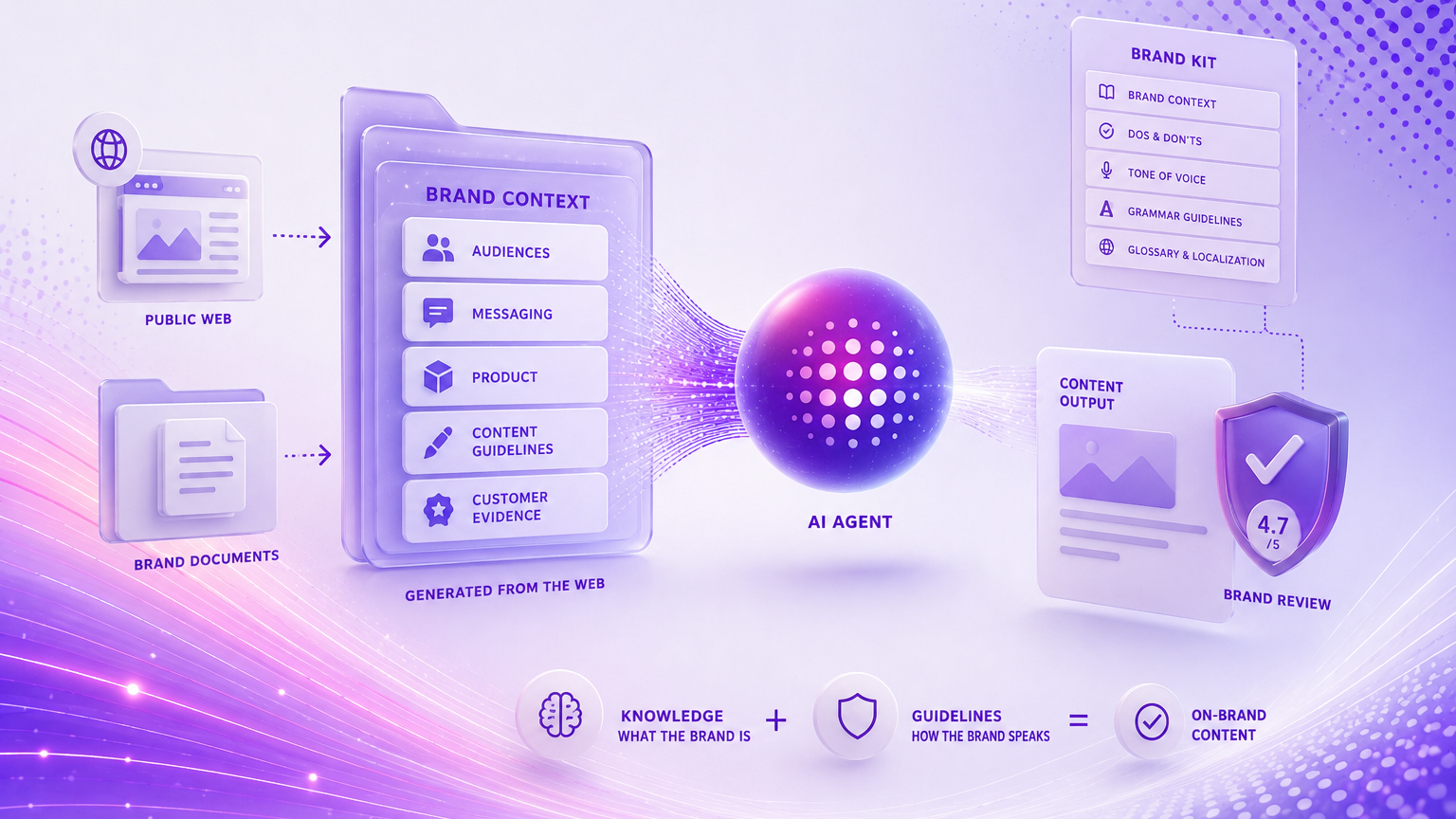
SitecoreAI's new brand context feature generates a brand knowledge base from your website and hands it to agents as Markdown files. It sits beside the brand kit rather than on top of it, splitting the brand into descriptive knowledge and normative guidelines, and the reader it is written for is no longer a person.
An agent can now author into SitecoreAI in production, through the Marketer MCP and Agent API. The first question is not whether that is safe but which door it came through, because the interactive path acts as the signed-in marketer and is audited, and the automation path is neither.
Sitecore XP 10.5 adds almost no new features, and that restraint is the message. It is a currency, security, and correctness release for the customers who are not moving to the cloud, and a reminder that the move to SitecoreAI is a re-architecture, not an upgrade.
Sitecore's acquisition of Scrunch isn't just about Answer Engine Optimization. It's about two competing definitions of AXP, and why the machine-facing web changes DXP architecture.
SitecoreAI builds the editing host for you, and normally that's the right call. It stopped being right the day our component library moved behind the client's VPN, and standing up an external editing host on more GCP infrastructure was more than the problem deserved. So we made the platform run a prebuilt Next.js standalone it never built itself. Here's the full trail: the npm install that always runs no matter what buildCommand says, the silent strip of anything dot-prefixed (.next, .env), a server bound to the wrong hostname so it couldn't answer its own editing fetch, and the fixes that finally got Page Builder loading. Works with any CI, Jenkins is just what we run.
Comparing Content Hub DAM to a traditional DAM is not a feature fight. Most mature DAMs already pass that grid. The real split is repository versus operations platform, and generic AI versus AI grounded in your taxonomy and brand. Here is the six-axis framework I use to decide, with where Content Hub lands today and where I would not overstate it.
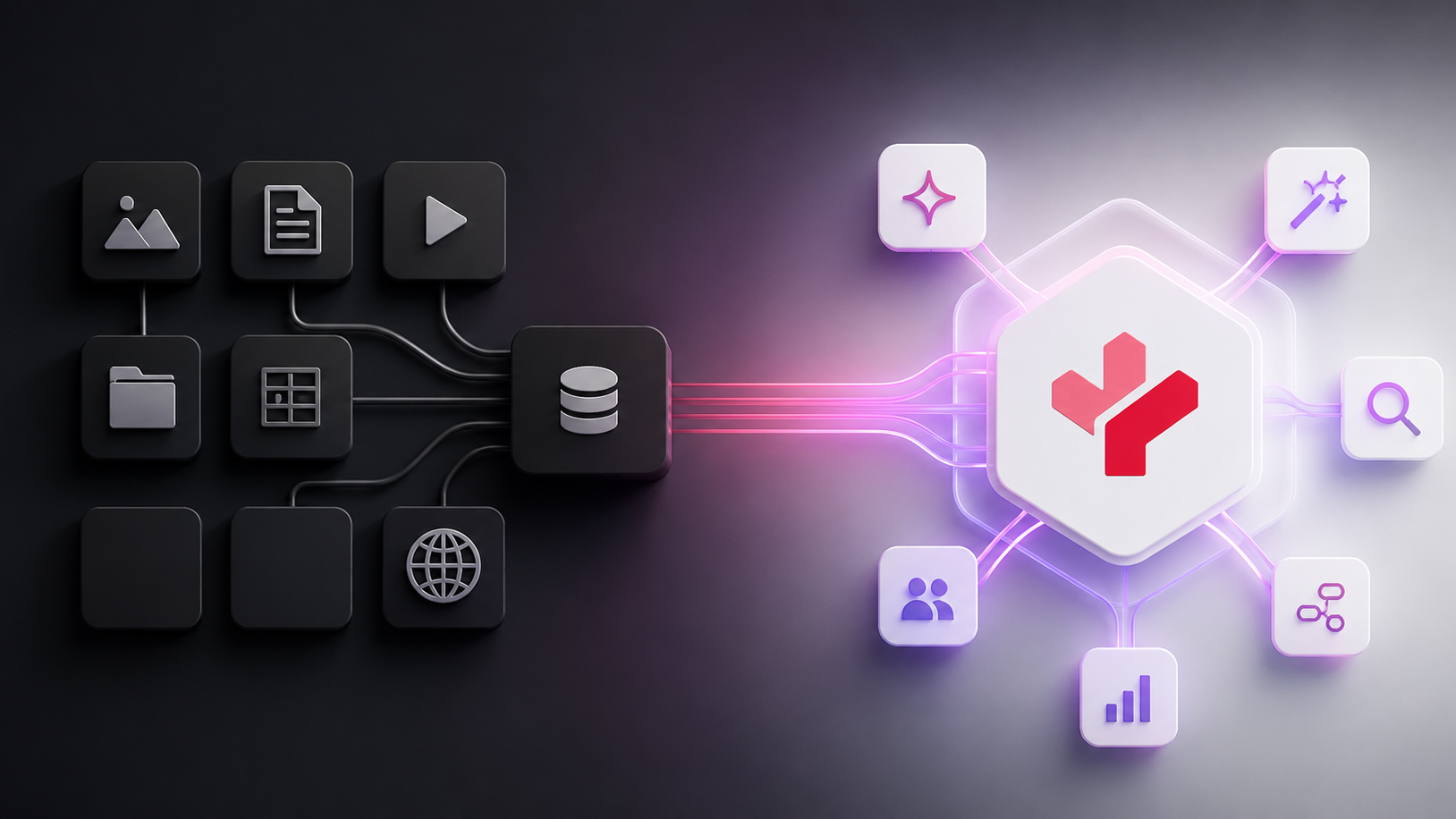
Everyone watched the agents and the Marketer MCP at SUGCON. But the releases that actually change how you architect on SitecoreAI shipped quietly, one small changelog entry at a time: identity resolution, affinities, profiles, component personalization. Put them together and they are one move. SitecoreAI now has a single unified profile layer, and page personalization, component personalization, audiences, search relevancy, and the Agent API all read from it. Here's why the quiet releases matter more than the loud ones, what they share, and where the unified layer is honestly still early.
Part 1 got SitecoreAI running on Cloud Run with pure SSR. The next step was ISR: pages cached, served fast, regenerated on TTL. On Vercel it's a checkbox. On Cloud Run it turned into a three-day detour through a Redis dead-end before landing on Google Cloud Storage as the distributed cache. Here's why the obvious choice silently breaks ISR, why GCS works, and the full implementation.